
Fleeing the Shadows of War
In the aftermath of the late ’90s and early 2000s wars in Northern Uganda, resilient women sought refuge in the slums of Kampala, escaping the shadows of conflict. Faced with the harsh reality of uncharted urban life, they found themselves trapped in risky endeavors, like stone quarry work, as they lacked education and relied solely on subsistence farming from their homeland.
A Lifeline Through Bead Making
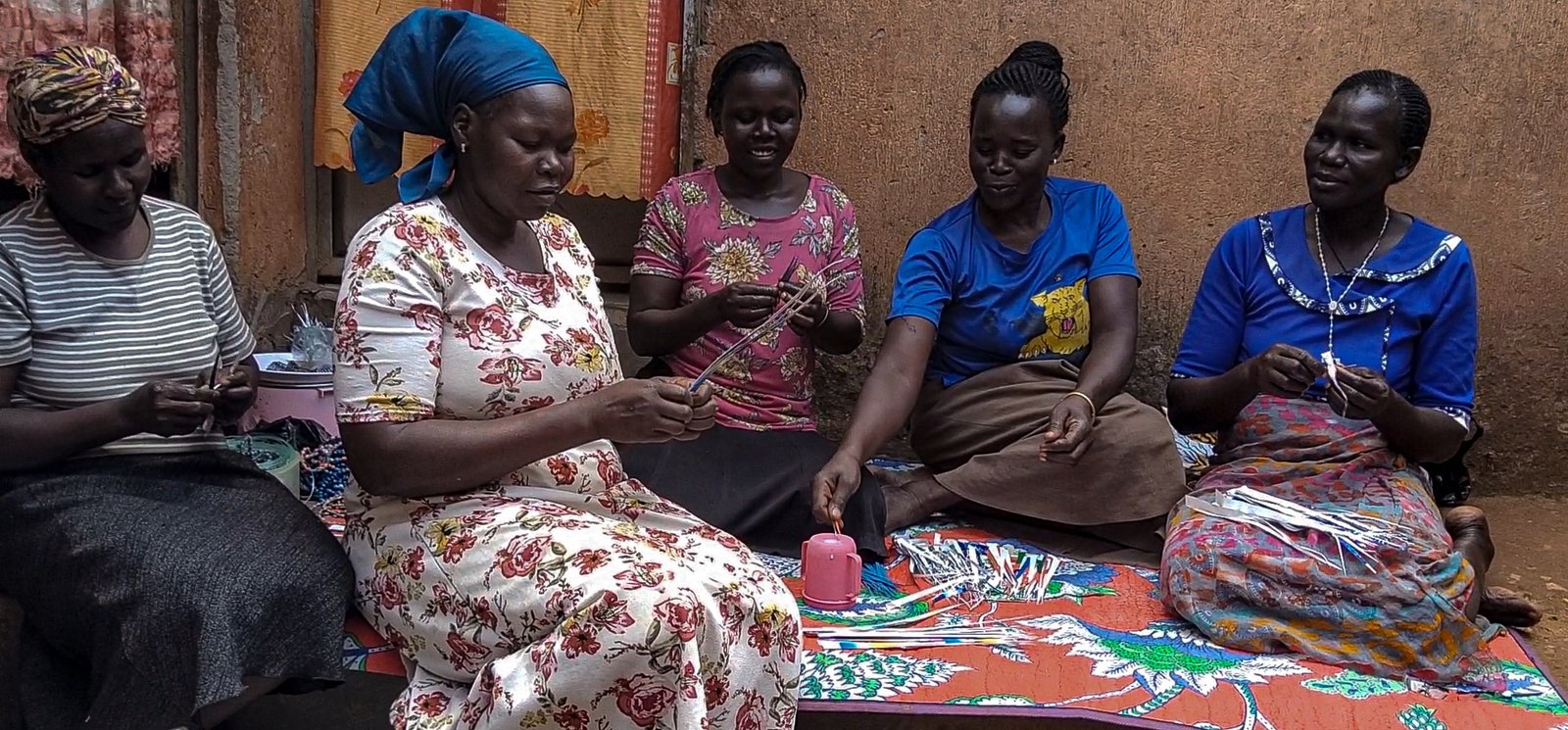
Their fortunes shifted when non-profit organizations intervened, offering a lifeline through bead making—a skill aimed at liberating them from the perils of quarry labor. The transformative impact of beadwork was profound, providing not just an income but a source of pride and purpose. During the early 2000s, the lives of many women, pulled from the treacherous quarry, saw a remarkable improvement thanks to the booming market for bead products. But sadly, this prosperity didn’t last. Selfish businessmen took advantage of their lack of education, offering unfair prices for their painstakingly crafted goods.
Decline and COVID-19: The Final Blow
Towards the late 2000s, as more people entered the industry without proper training, the market became flooded with poor-quality beads, further damaging the market that was already crumbling. That is when the livelihood of the women and their families started going downhill.
Then came the COVID-19 pandemic, delivering the final blow that shuttered the market completely. Overnight, these resilient women found themselves unable to sell their beads, even at desperate prices. Left with no options, they turned to menial tasks like roadside food vending, selling fruits, or returning to the quarry, where they earn less than a dollar a day.
The Struggle for Survival
This made even two meals a day a distant reality, quality education impossible, and the prospect of providing for basic necessities a very hard endeavor. This has left them grappling with the harsh realities of poverty.

The Birth of Kech Pe Tii
Recognizing the need to restore and rebuild the livelihoods of these women and their families, Go Smile Uganda—a non-profit dedicated to improving the lives of vulnerable Ugandan families through holistic empowerment—gave rise to Kech Pe Tii. In 2021, the Go Smile team, led by Moses Kiiza, visited Banda B.1, where a group of the most talented women artisans became part of the Kech Pe Tii project. The inaugural project meeting attracted over 20 women, who voiced their concerns about the need for a stable and consistent market that could offer fair prices for their beads.
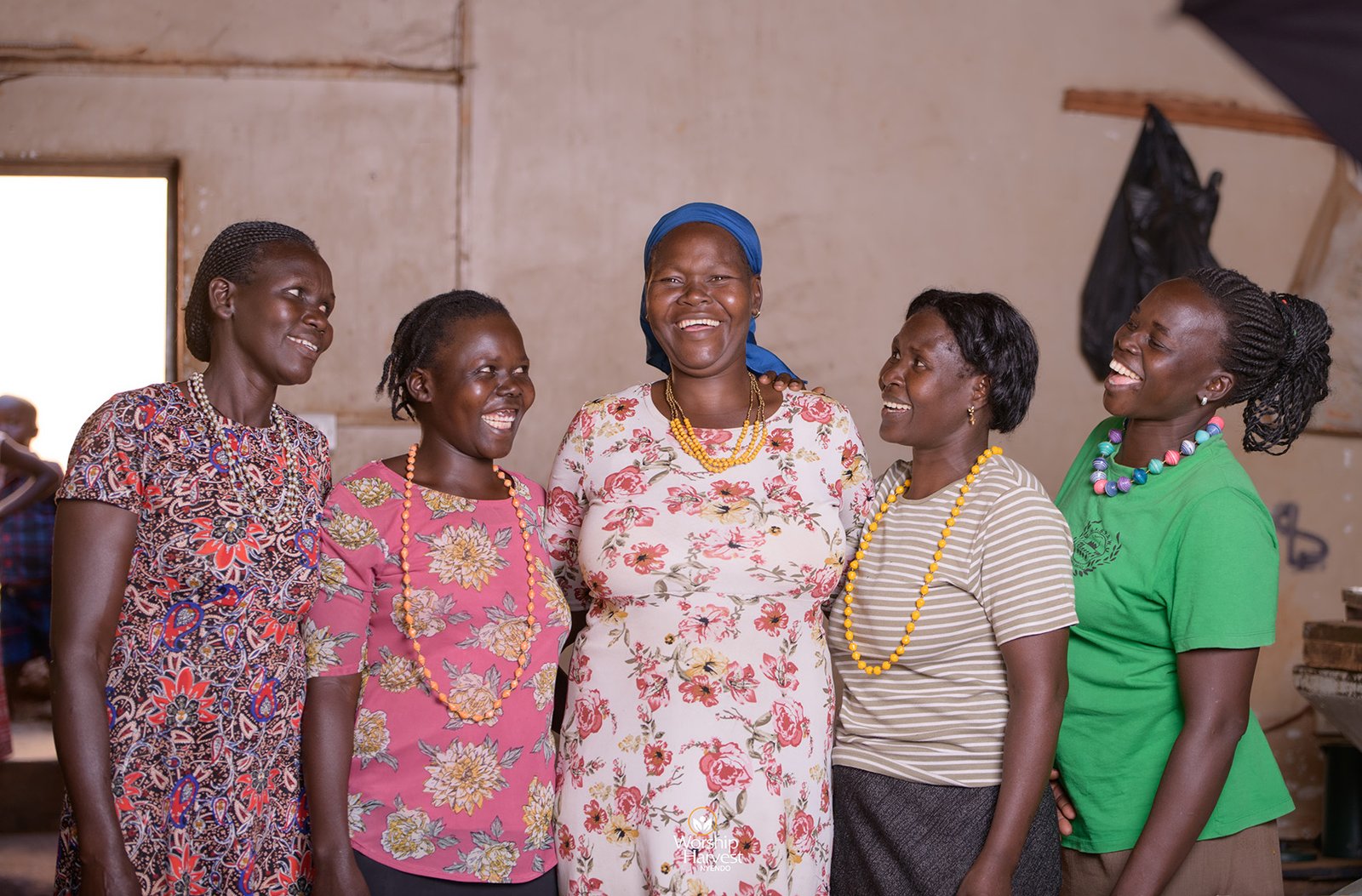
“Kech Pe Tii ~ Hunger favors no age”
Kech Pe Tii is a Luo word that translates to “Hunger favors no age”, a name that was suggested by one of the elderly women at the first project meeting. The aim of Go Smile Uganda is to revitalize the market for the bead products painstakingly crafted by these resilient women.
A Vision for a Better Future
We envision a future where their skills and determination pave the way for sustainable livelihoods, breaking the cycle of poverty once and for all. Through Kech Pe Tii, we aim to create a marketplace that honors their craftsmanship, providing them with the means for a better life.
We dream of a world where these resilient artisans shine brightly on the global stage, their beads serving as symbols of heritage, resilience, and hope.